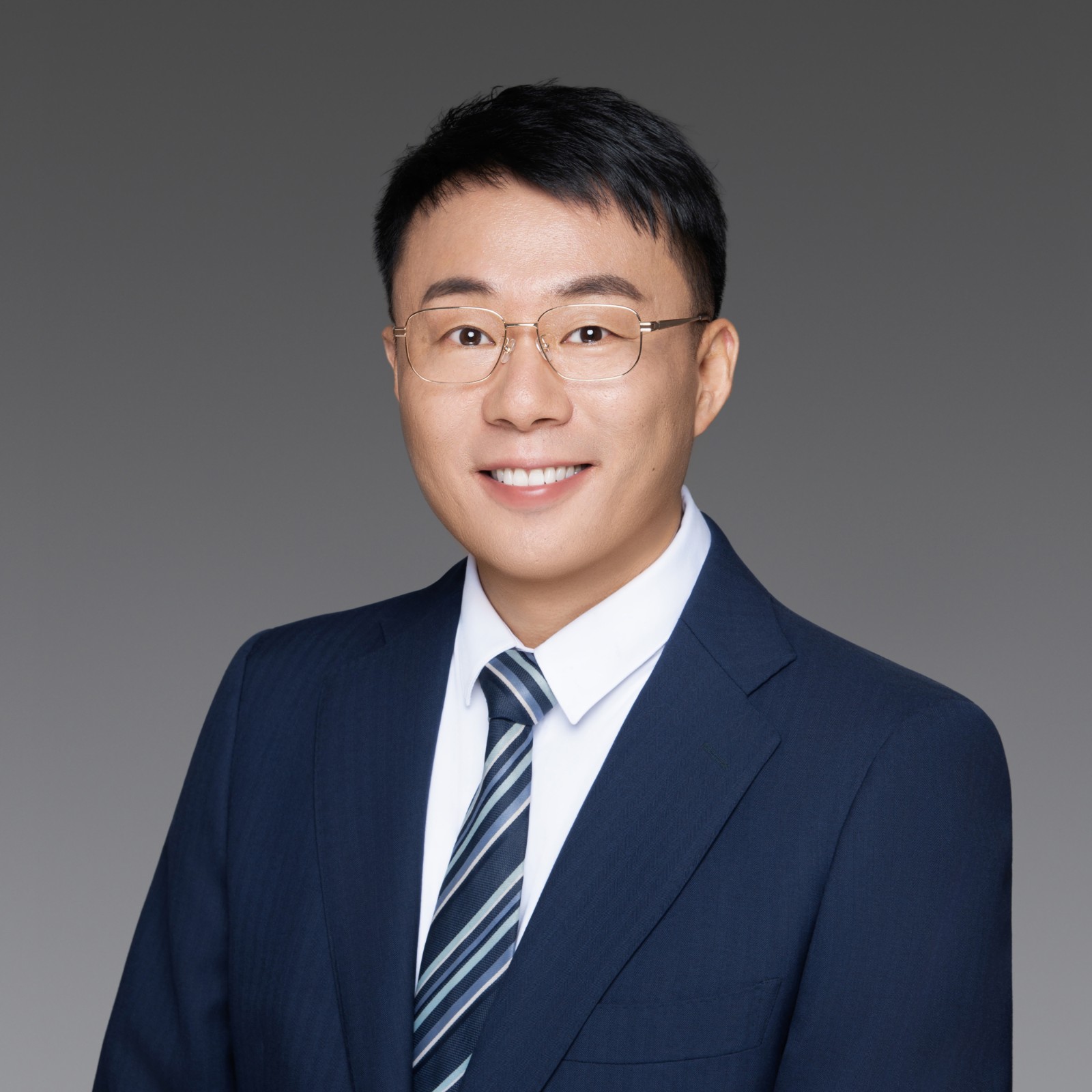
宋克东

开通时间:..
最后更新时间:..
移动版主页
点击次数:
发布时间:2019-03-09
论文类型:期刊论文
发表时间:2011-11-01
发表刊物:ASIA-PACIFIC JOURNAL OF CHEMICAL ENGINEERING
收录刊物:EI、SCIE、Scopus
卷号:6
期号:6
页面范围:840-849
ISSN号:1932-2143
关键字:HAS; UCB; HSCs; MSCs; co-culture
摘要:The feasibility of co-culturing hematopoietic stem/progenitor cells (HSPCs) and mesenchymal stem cells (MSCs) derived from human umbilical cord blood (UCB) using cytodex-3 microcarriers was investigated in this paper in order to assess this as a possibility for future clinical therapies. Considering the safety requirements of clinical applications, we have tried to use human autologous serum (HAS), collected from UCB, to replace the widely used fetal bovine serum (FBS). Moreover, both UCB-hematopoietic stem cells (HSCs) and UCB-MSCs could be harvested simultaneously after their ex vivo culture. In addition, the two different types of stem cells could be easily separated by sedimentation after the co-culture due to the distinct weight differences between cytodex-3 microcarriers (containing adherent MSCs) and the suspended HSCs. To optimize the culture conditions, we have assessed the effect of the concentration of HAS (2.8, 5.6, 8.3 and 11.1%) on the expansion of UCB-MSCs and UCB-HSCs. The results have indicated that the expansion of UCB-HSCs supplied with 5.6% autoserum was at least (1.88 +/- 0.33)-fold, better than in the other groups, while it had no to little effect on the expansion of UCB-MSCs. We hence conclude that the optimal concentration of HAS for the co-culture conditions herein reported is 5.6%. Finally, the co-culture system we have developed and herein report is feasible to provide expanded UCB-HSPCs and UCB-MSCs for clinical applications, especially the former. (c) 2010 Curtin University of Technology and John Wiley & Sons, Ltd.