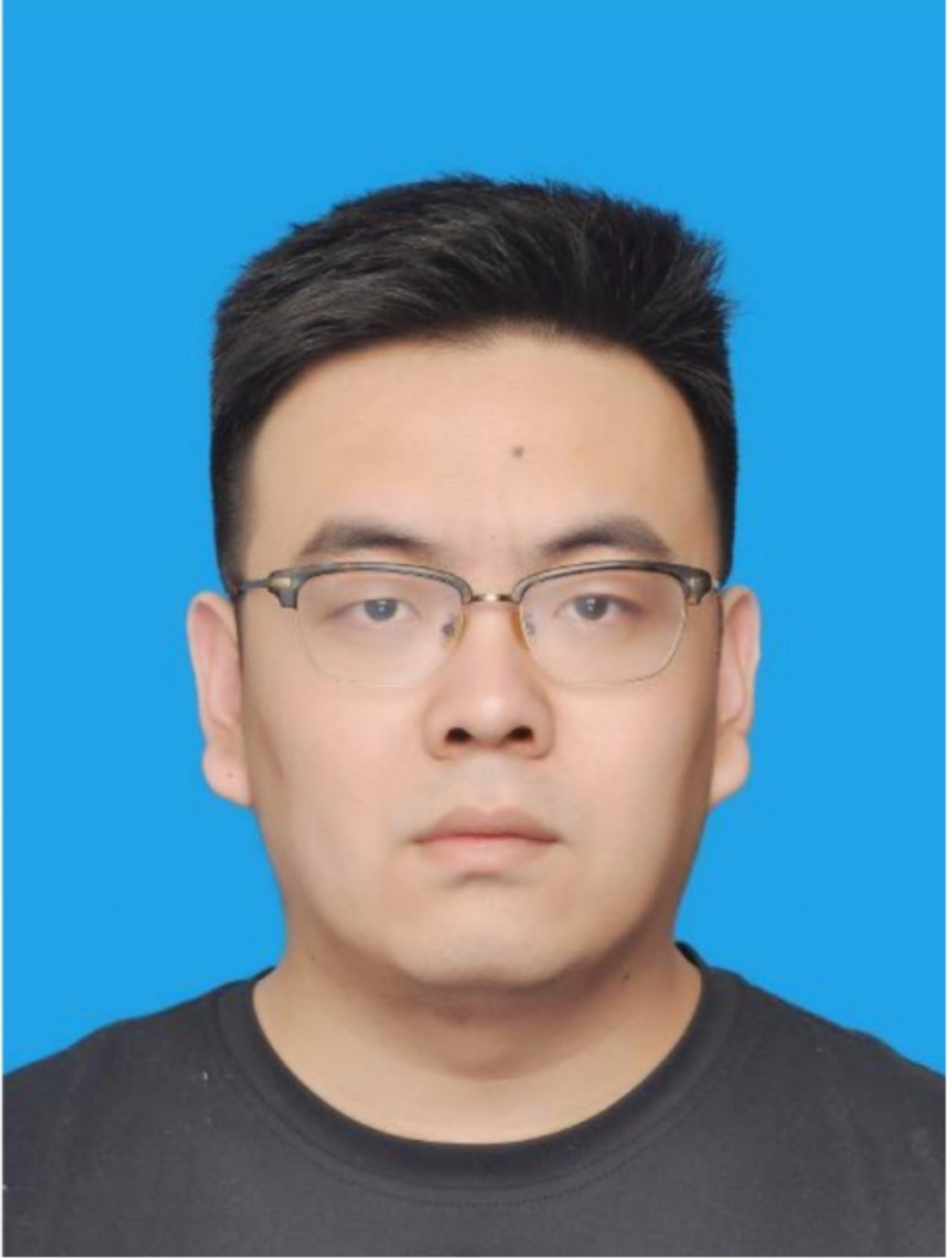
Associate professor and doctoral supervisor at the School of Materials Science and Engineering, Dalian University of Technology. Member of the Medical Metal Materials Committee of the Chinese Society for Biomaterials, and member of the Medical Biomaterials Branch of the Liaoning Society of Biological Sciences. Mainly engaged in scientific research on medical metal materials and teaching of engineering materials. Has presided over one general project of the National Natural Science Foundation of China, one general project of the Department of Education of Liaoning Province, and two interdisciplinary projects between medicine and engineering at Dalian University of Technology. Focuses on the optimization design of minimally invasive interventional stents, preparation of biomaterials, and biocompatibility characterization. Has published over 40 papers in domestic and international academic journals (such as Advanced Functional Materials, Acta Biomaterialia, Regenerative Biomaterials, Surface & Coatings Technology, Applied Surface Science, etc.), and has been granted 6 nationally authorized invention patents.
Research Directions:
Research on Medical Biodegradable Metal Materials:
To address the issues of excessively rapid degradation of magnesium-based materials and excessively slow degradation of iron-based materials for biodegradable vascular stents, proposes a composite coating technology combining micro-arc oxidation and organic drug loading for magnesium alloys, as well as an electrodeposition additive manufacturing scheme for Fe-Zn alloy microtubes alloyed with Zn. Studies include finite element structural optimization design of different material vascular stents, laser cutting and electropolishing processing techniques, material modification and processing technologies, and evaluation of in vivo and in vitro biological properties of the materials.
Bioactivity Modification of Medical Metals such as Titanium and Tantalum via Micro-Arc Oxidation:
To address the poor bioactivity of metals such as titanium and tantalum for hard tissue replacement, proposes a surface modification technology combining micro-arc oxidation and active ion incorporation. Studies the effects of surface micro/nano hierarchical structures and active ion release on the osseointegration ability of implants, and evaluates the in vivo and in vitro biological properties of the materials.
Micro-Arc Oxidation Surface Modification of Valve Metals such as Aluminum, Magnesium, and Titanium:
To address the insufficient surface corrosion resistance and wear resistance of materials such as aluminum, magnesium, and titanium for automotive and aerospace industries, employs a bidirectional high-frequency pulse power supply to perform micro-arc oxidation surface modification on the materials, generating ceramic coatings with corrosion resistance, wear resistance, and high insulation properties on the metal surface. Studies the effects of process parameters such as electrical parameters and electrolyte composition on coating thickness, phase composition, corrosion resistance, and friction and wear resistance.
To address issues such as excessively rapid degradation of magnesium-based materials and excessively slow degradation of iron-based materials for biodegradable vascular stent applications, proposes micro-arc oxidation (MAO) + organic drug-loaded composite coating modification technology for magnesium alloys, as well as an electrodeposition additive manufacturing approach for Fe-Zn alloy microtubes (with Zn alloying). Studies finite element structural optimization design of vascular stents made of different materials, as well as laser cutting and electropolishing processing techniques. Investigates material modification and preparation processes, and evaluates the in vivo and in vitro biological performance of the materials.
To address the poor bioactivity of metallic materials such as titanium and tantalum used for hard tissue replacement, proposes micro-arc oxidation + active ion incorporation surface modification technology. Studies the influence of surface micro/nano hierarchical structures and the release of active ions on the osseointegration ability of implants, and evaluates the in vivo and in vitro biological performance of the materials.
To address insufficient surface corrosion resistance and wear resistance of alloys such as aluminum, magnesium, and titanium used in the automotive and aerospace industries, utilizes a bidirectional high-frequency pulse power supply to perform micro-arc oxidation surface modification, generating a ceramic coating on the metal surface with corrosion resistance, wear resistance, and high insulation properties. Studies the effects of process parameters such as electrical parameters and electrolyte composition on coating thickness, phase composition, corrosion resistance, and friction/wear resistance.
Associate Professor
Supervisor of Doctorate Candidates
Supervisor of Master's Candidates
Gender:Male
Alma Mater:Dalian University of Technology
Degree:Doctoral Degree
School/Department:School of Materials Science & Engineering
Discipline:Biomedical Engineering. Materials Science and Engineering
Business Address:Room A437
School of Materials Science and Engineering,
Dalian University of Technology,
Liaoning 116024,
P. R. of China
腾讯QQ :
微信WeChat :
Browse on mobile
Open Time:..
The Last Update Time:..